Catching up with Ginevra Russo
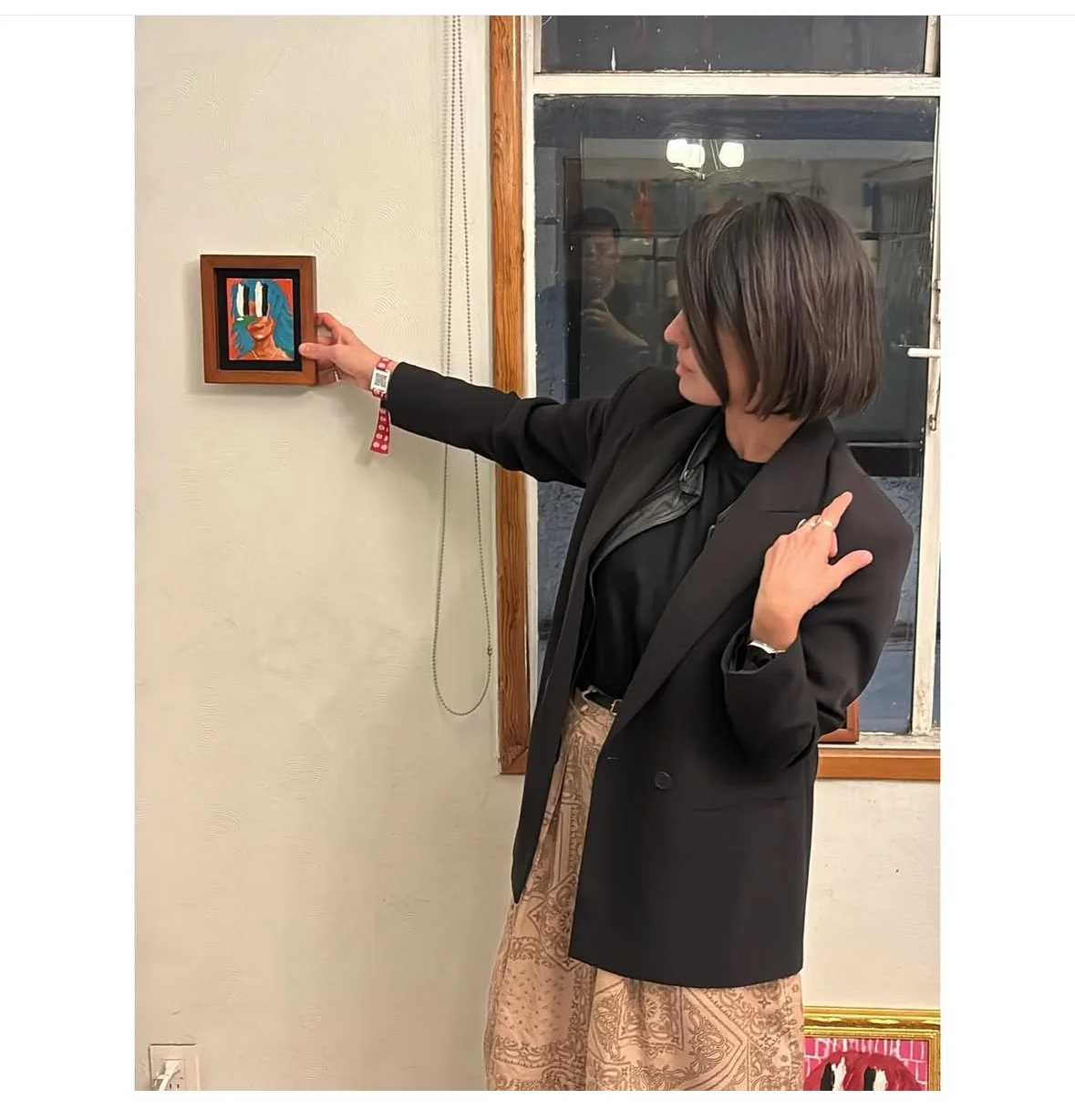
Ginevra Russo at Jordi Alós Studio
In an increasingly interconnected global art market, we sat down with art advisor Ginevra Russo to discuss her evolving practice, her international outlook, and her recent experience during Mexico Art Week.
Vroom & Varossieau: Ginevra, could you share more about your current activities as an art advisor? What defines your approach when working with collectors today?
Ginevra Russo:
“Over the past ten years, I’ve worked in the art world in different roles, from producer to artist liaison and gallery manager, which has allowed me to experience it from different angles. I’ve realised there are many ways of engaging with art, and that even when people are genuinely interested, they often don’t know where to start when it comes to buying. My approach is very much tailored to each person, their needs, interests, and experience. Alongside this, I’ve recently started organising art walks and curated experiences in Amsterdam, making the local art scene more accessible and creating more direct, informal connections with artists, galleries, and the cultural context.”
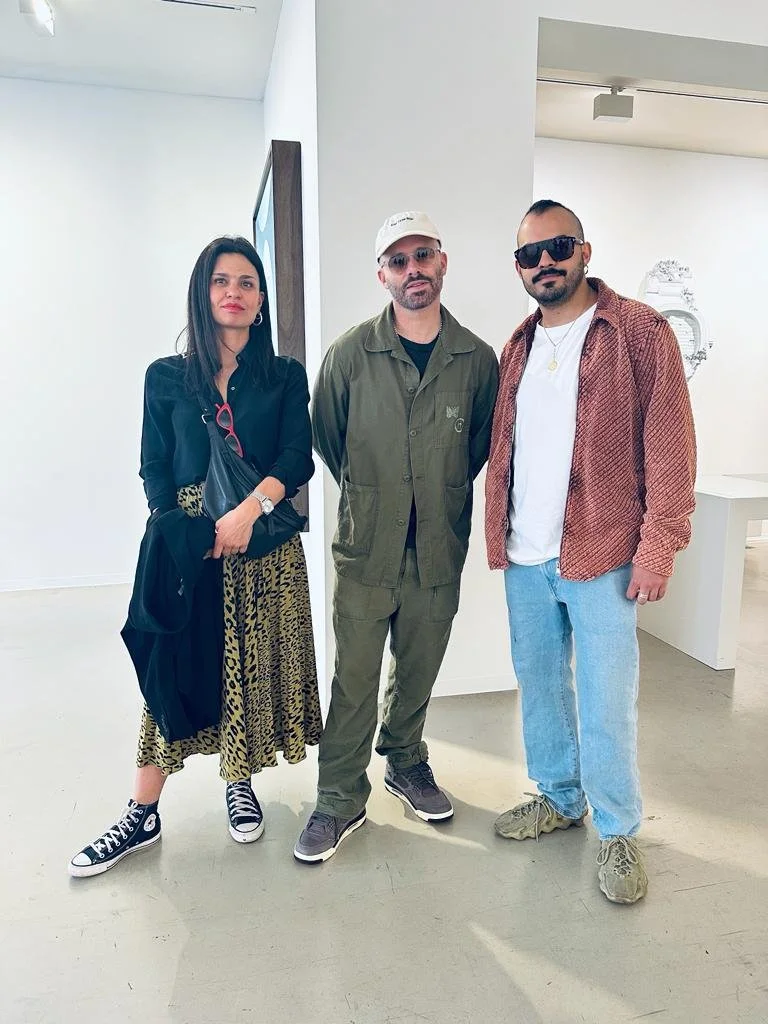
Ginevra with Daniel Arsham and Jordi Alós at Ron Mandos Gallery
Vroom & Varossieau: Looking ahead, what are your ambitions for the coming years?
Ginevra Russo:
“Looking ahead, I would like to further develop my relationship with the Mexican art scene. I see strong potential there, as it sits in a kind of liminal space between Western contemporary approaches and Indigenous South American cultural perspectives. It also feels like a scene that is still relatively under-explored. At the same time, I’m working on strengthening connections with Italy, my country of origin, contributing my experience to foster dialogue between the Italian and Dutch art scenes.”
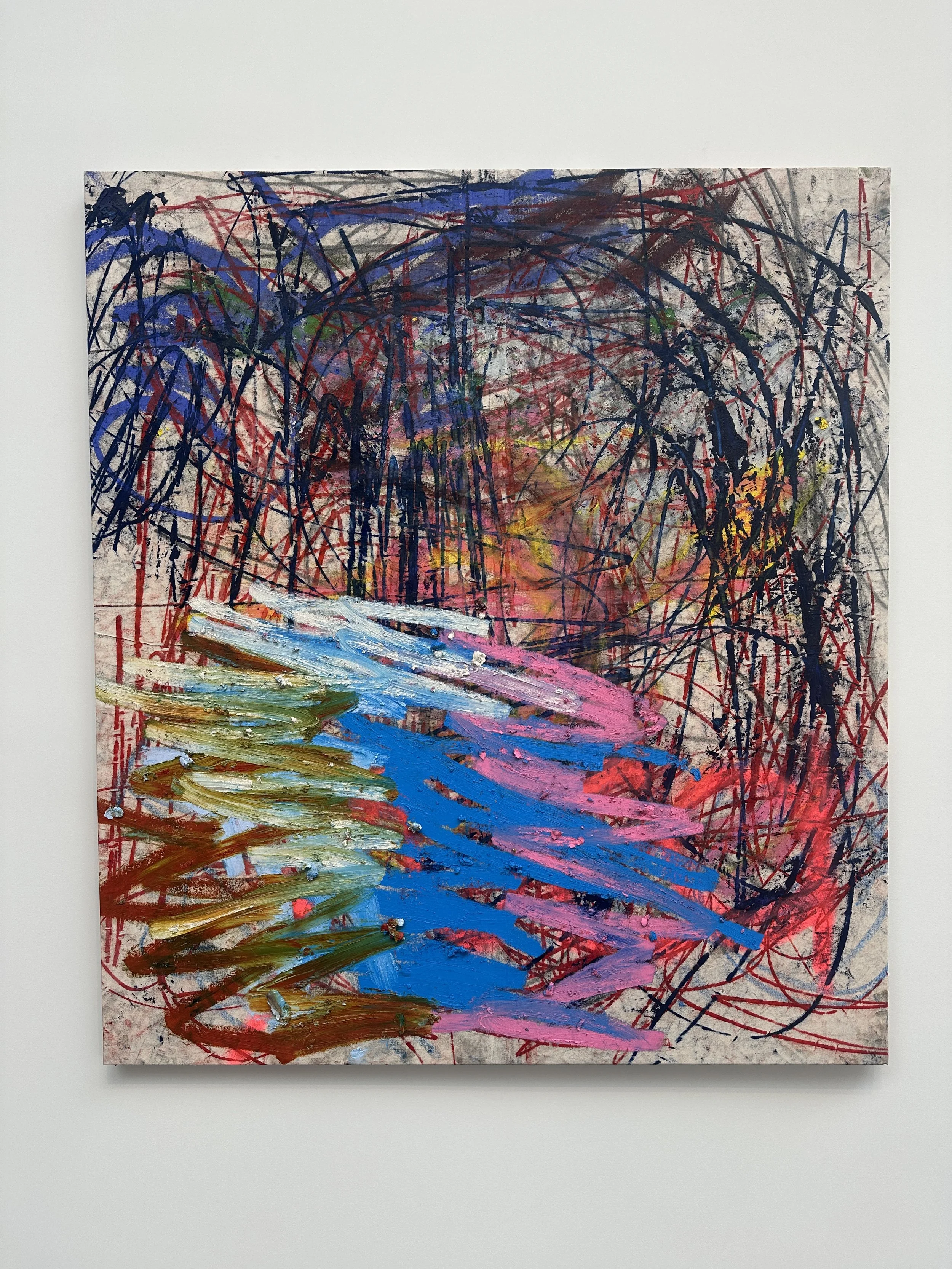
Oscar Murillo at Kurimanzutto
Vroom & Varossieau: How does your experience at Vroom & Varossieau continue to inform your work today?
Ginevra Russo:
“I really appreciate Olivier’s instinctive and very active approach to research, always out there, attending fairs and cultural events, staying curious and engaged with what’s going on in the art scene. It also makes very clear how much this field is about people: building trust, maintaining relationships, and creating long-term connections. And then there’s Isabel’s calm, discreet, and fun way of handling organisation and often quite complex logistics, which shows how much can be achieved with a composed and thoughtful approach, even in the most hectic moments, something I definitely carry with me in my own work.”
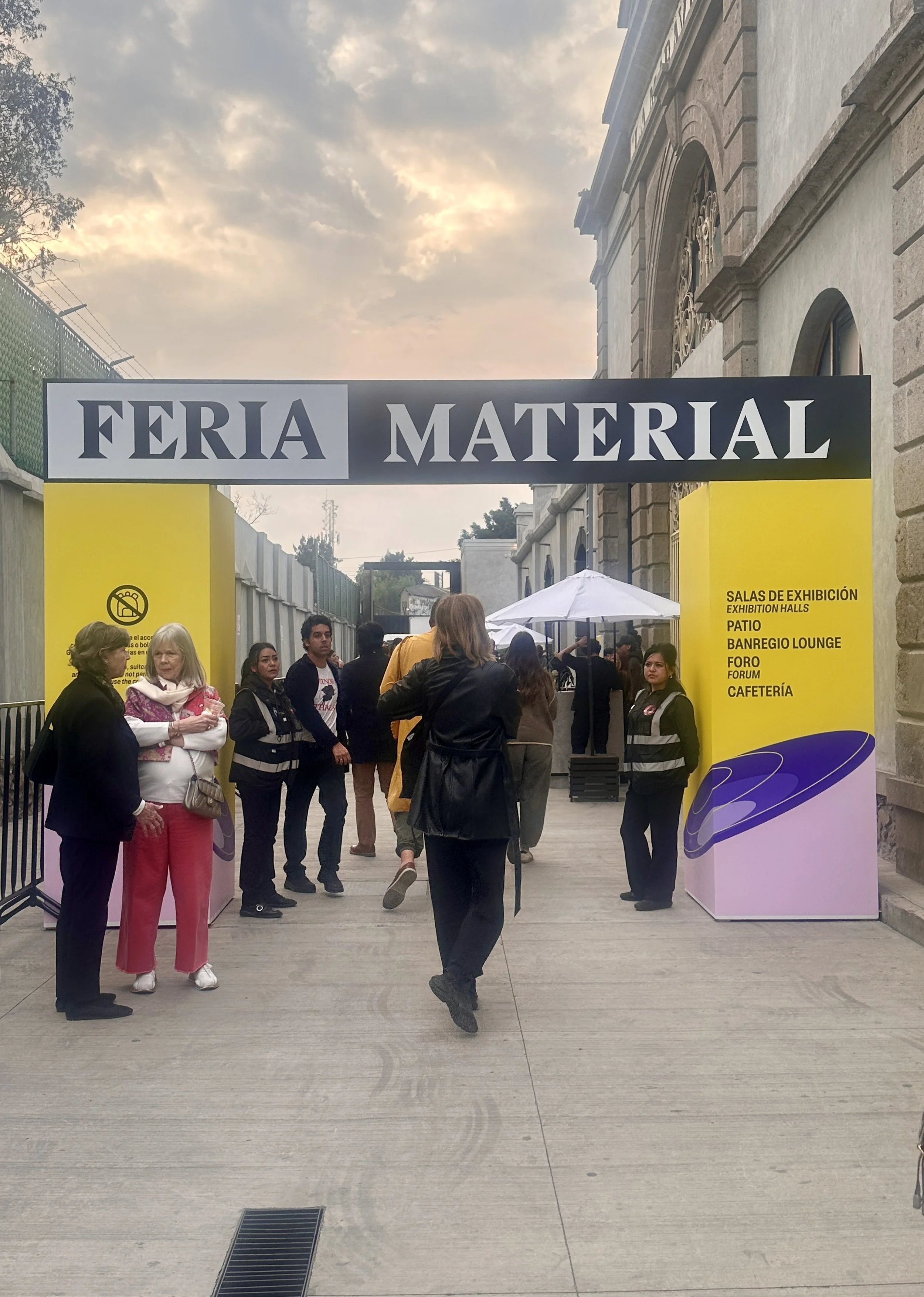
Visiting Feria Material
Vroom & Varossieau: You recently attended Mexico Art Week, including Zona Maco. How would you describe the atmosphere?
Ginevra Russo:
“Mexico Art Week was an incredibly vibrant experience, walking around different colonias (neighbourhoods), you could feel how contemporary art activates the city. Beyond the main fair at Zona Maco, I explored a wide range of gallery shows, museum exhibitions, and site-specific projects, each offering a different perspective on the current artistic discourse. What really stood out to me were the presentations that felt carefully considered and conceptually driven from works focused on material experimentation and abstraction to pieces engaging with memory, history, and political narratives.”
Vroom & Varossieau: Did you observe any notable trends?
Ginevra Russo:
“I noticed a really interesting focus on materiality and process-driven practices. Many artists are exploring identity, ecology, and local histories in thoughtful ways, and there seems to be this growing conversation between contemporary approaches and traditional techniques. There was also a lot of ceramics, a strong return to figurative painting, and quite a few pieces where the materials themselves made a political statement.”
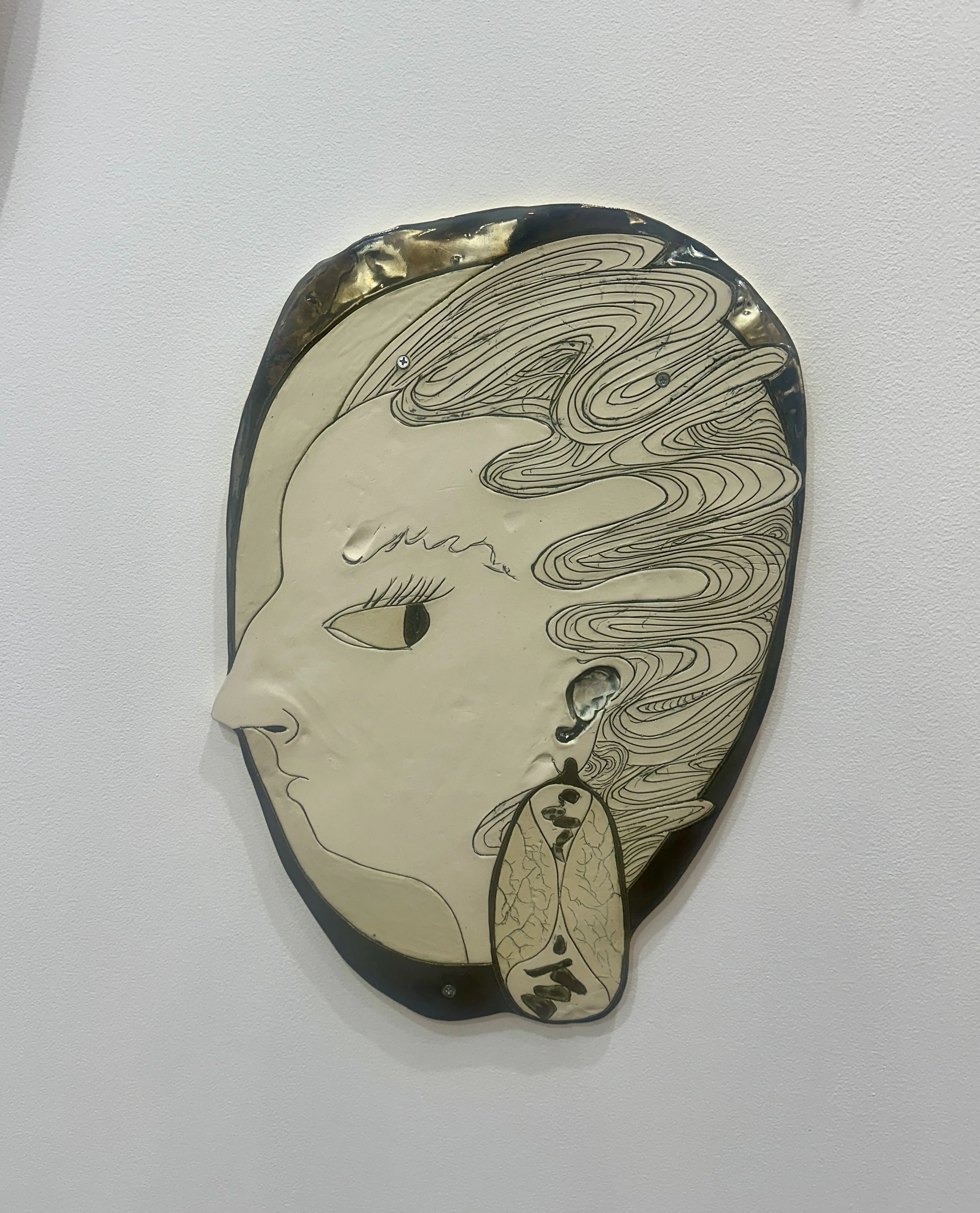
Work by Gabriela Vainsencher
Vroom & Varossieau: What are collectors in the region currently gravitating towards?
Ginevra Russo:
“I would say that collectors from South and Central America are increasingly drawn to works that balance conceptual depth with accessibility. There’s also growing interest in sustainable practices, often made in collaboration with local artisans, with mid range prices particularly active.”
Vroom & Varossieau: What can European collectors learn from this?
Ginevra Russo:
“I think one thing that stands out is a certain spontaneity in human relationships. In Mexico, I’ve had the feeling that supporting local or international artists often feels like a more organic process, something that develops quite naturally through personal connections and proximity, in a way that mirrors everyday interactions. Overall, there seems to be a more immediate and intuitive way of engaging, where collecting feels less overthought and more directly in dialogue with lived experience.”
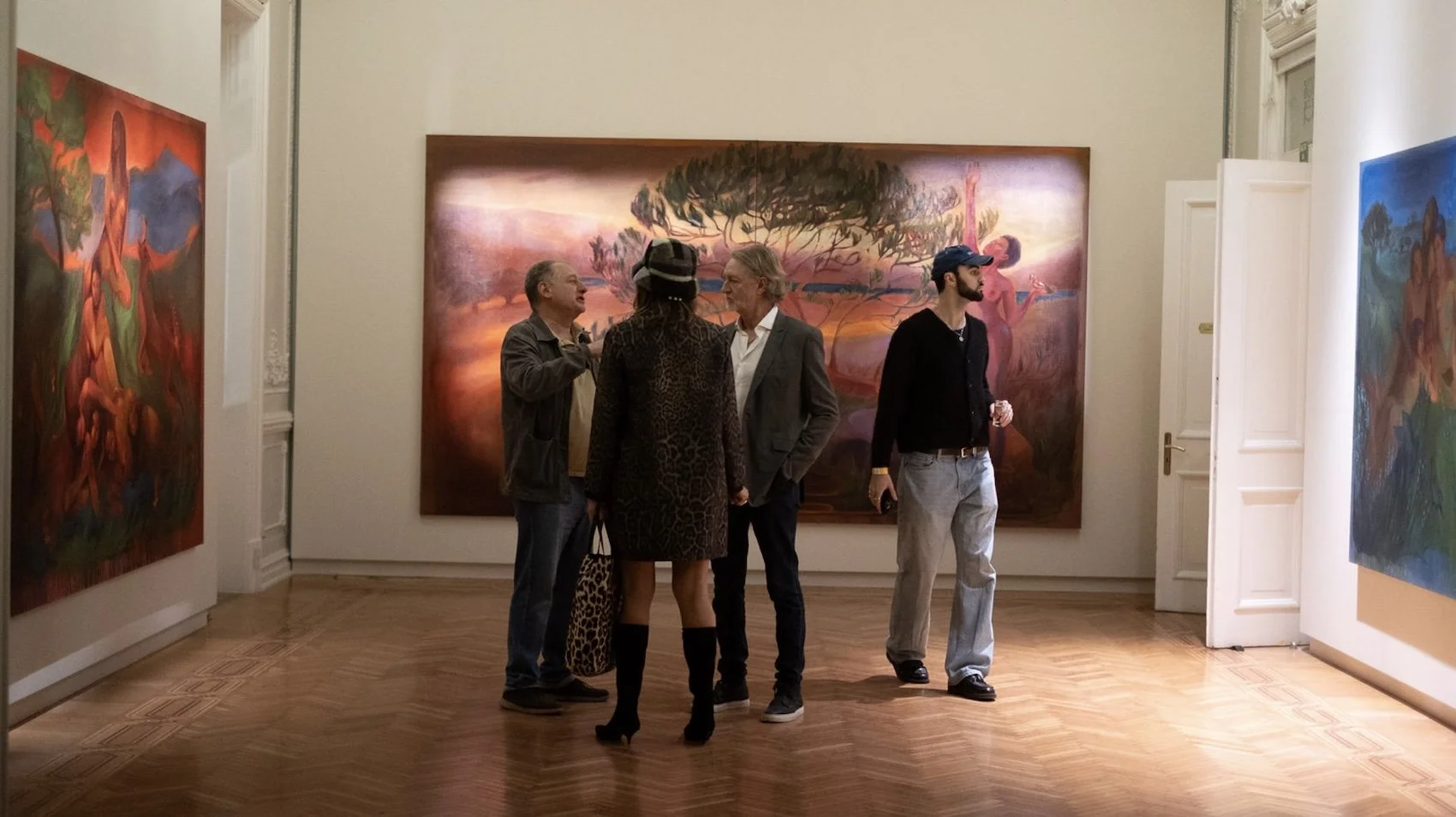
Georgina Pounds
Vroom & Varossieau: Were there any standout artists for you?
Ginevra Russo:
“I had the opportunity to encounter and follow the development of several remarkable artists. I was particularly struck by the bold and mysterious paintings of Mexican artist Hilda Palafox (also known as Poni), who also has a background as a street artist, presented by Proyectos Monclova; the porcelain sculptures and wall reliefs by Argentine artist Gabriela Vainsencher at Asya Geisberg Gallery; and the finely painted works presented at Zona Maco by gallerist Ambar Quijano, including Paula Turmina, Armig Santos, and Sebastián Hidalgo. At Bibi Galería, I was also drawn to the work of the Uruguayan duo Maite and Manuel, a dynamic artistic collaboration whose practice moves between figuration and abstraction. At the more experimental fair Materiaal, I was especially impressed by Lebanese artist Sara Rahmanian’s work, presented by ILY2 Gallery.”
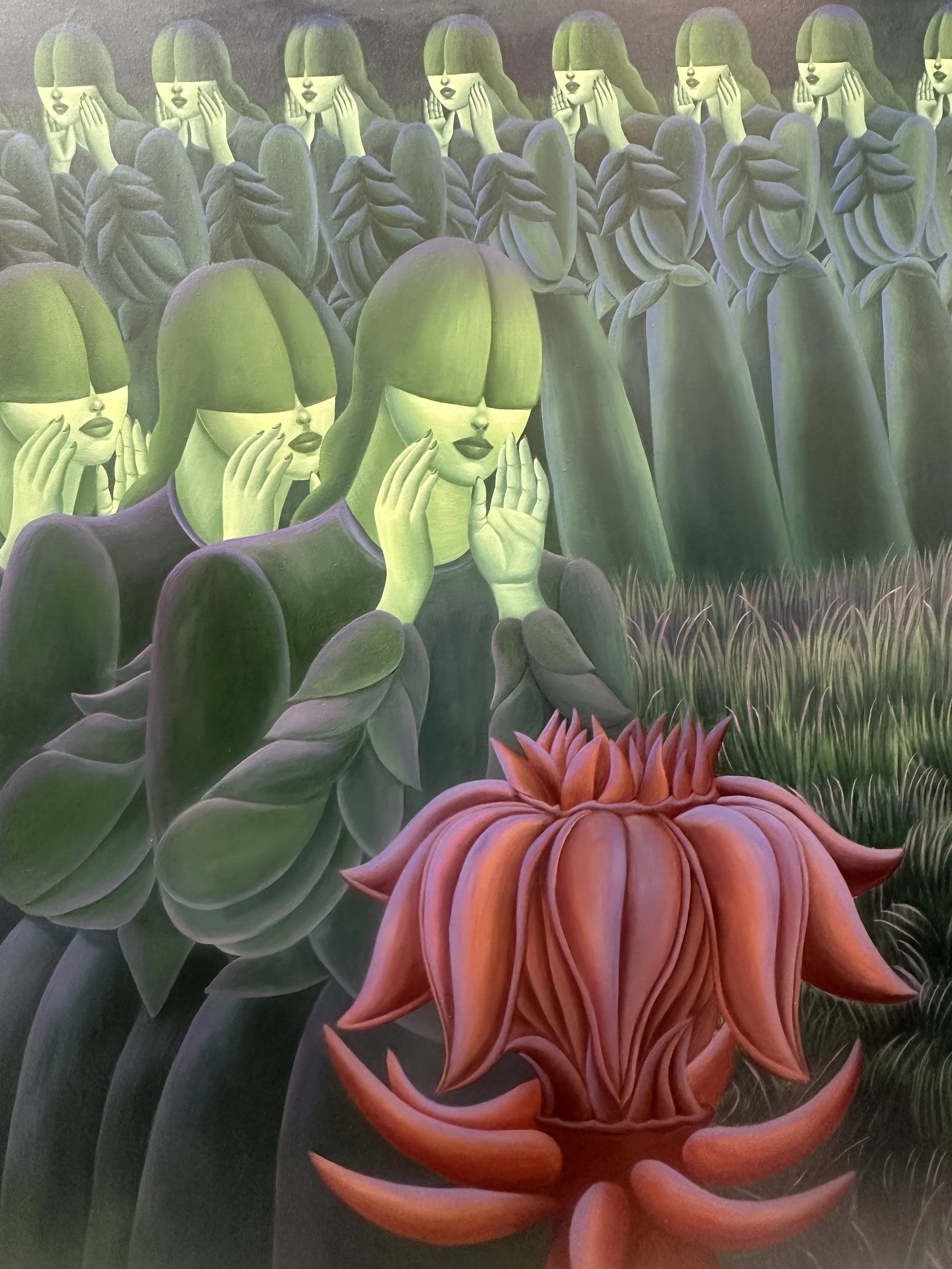
a work by Hilda Palifox
Vroom & Varossieau: How did your time immersed in the local scene shape your understanding?
Ginevra Russo:
“I’m very grateful to Jordi Alós for facilitating my stay and introducing me to the local scene. Thanks to this proximity, I had the opportunity to get to know some of the influential artists in his circle, such as Alberto Guedea, Harif Guzman, and Yutaka Sone, to observe their practices and creative processes up close, and to share inspirational conversations with them. It also gave me the chance to better understand the work of active curatorial and advisory figures in the Mexican and Latin American scene, such as Regina Favela, Catalina Restrepo, and Juan Garcia from Colombia. This experience allowed me to gain a clearer understanding of the dynamics between artists, collectors, and spaces, and to witness the openness, curiosity, and support that define the Mexican art ecosystem.”
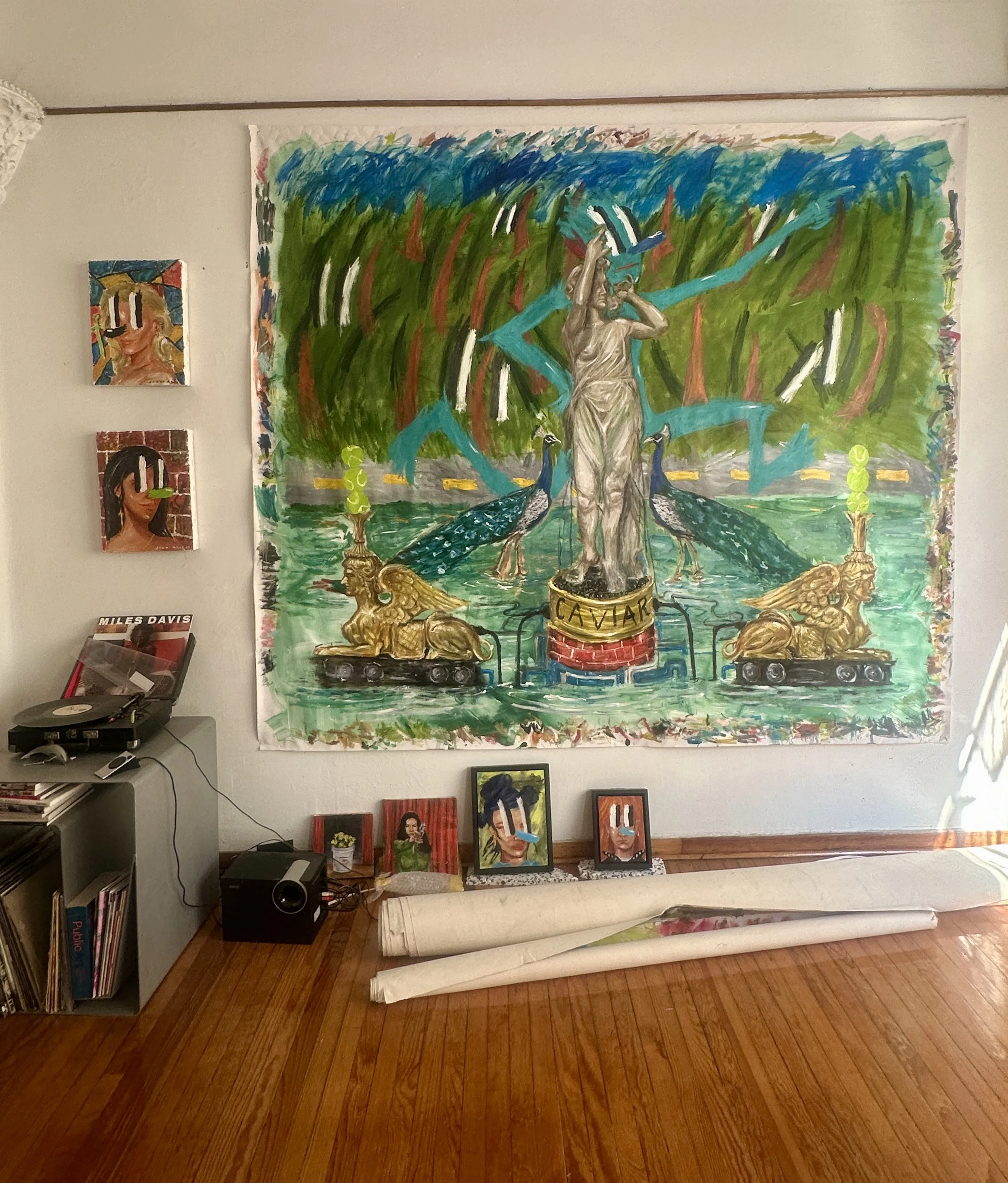
Jordi Alós studio
Vroom & Varossieau: Finally, how do you see your role evolving internationally?
Ginevra Russo:
“I see my work taking shape through what I’ve developed so far, including the curated experiences I’m currently involved in in Amsterdam, and expanding them on an international scale. For me, what’s important is creating meaningful connections between artists, spaces, and different audiences, with a focus on projects that can move between cities, opening up dialogue between different scenes and contributing to more fluid and interconnected networks.”
Please contact Ginevra Russo for her art services via her website https://ginevrarusso.art/
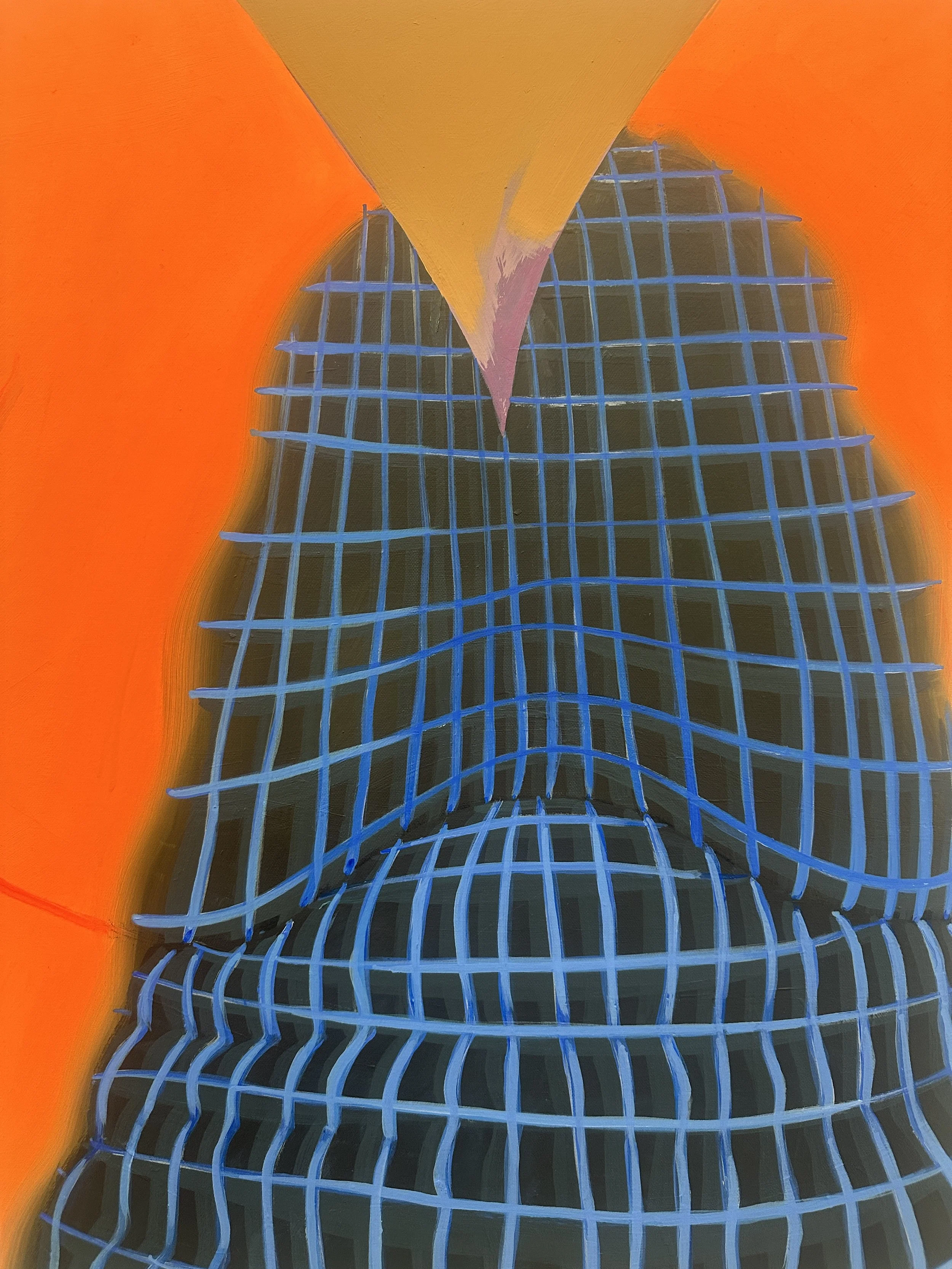
work by Sara Rahmanian
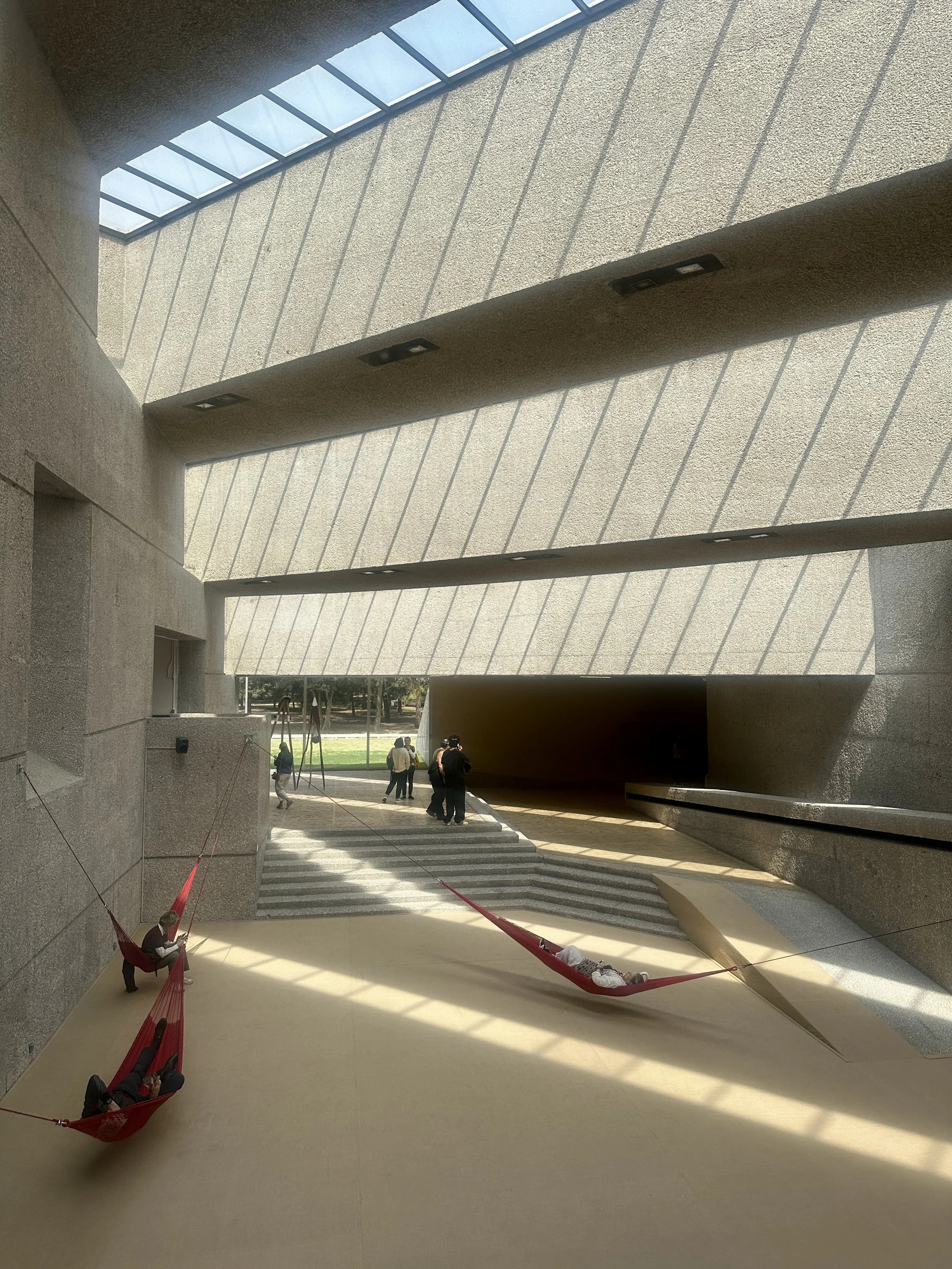
Museo Tamayo
Artists
Hilda Palafox (Poni) → @poni
Gabriela Vainsencher → @gabrielavainsencher
Paula Turmina → @paulaturmina
Armig Santos → @armigsantos
Sebastián Hidalgo → @sebastianhidalgo
Maite & Manuel → @maiteymanuel
Sara Rahmanian → @sararahmanian
Harif Guzman → @harifguzman
Yutaka Sone → @yutakasone
Jordi Alós → @jordialos
Alberto Guedea → @Guedea
Galleries & Institutions
Proyectos Monclova → @proyectosmonclova
Asya Geisberg Gallery → @asyageisberggallery
Bibi Galería → @labibigallery
ILY2 Gallery → @ily2gallery
Museo Tamayo → @eneltamayo
Kurimanzutto → @kurimanzutto
Art Fairs & Context
Zona Maco → @zonamaco