In Memoriam: Bruno Bischofberger (1940–2026)
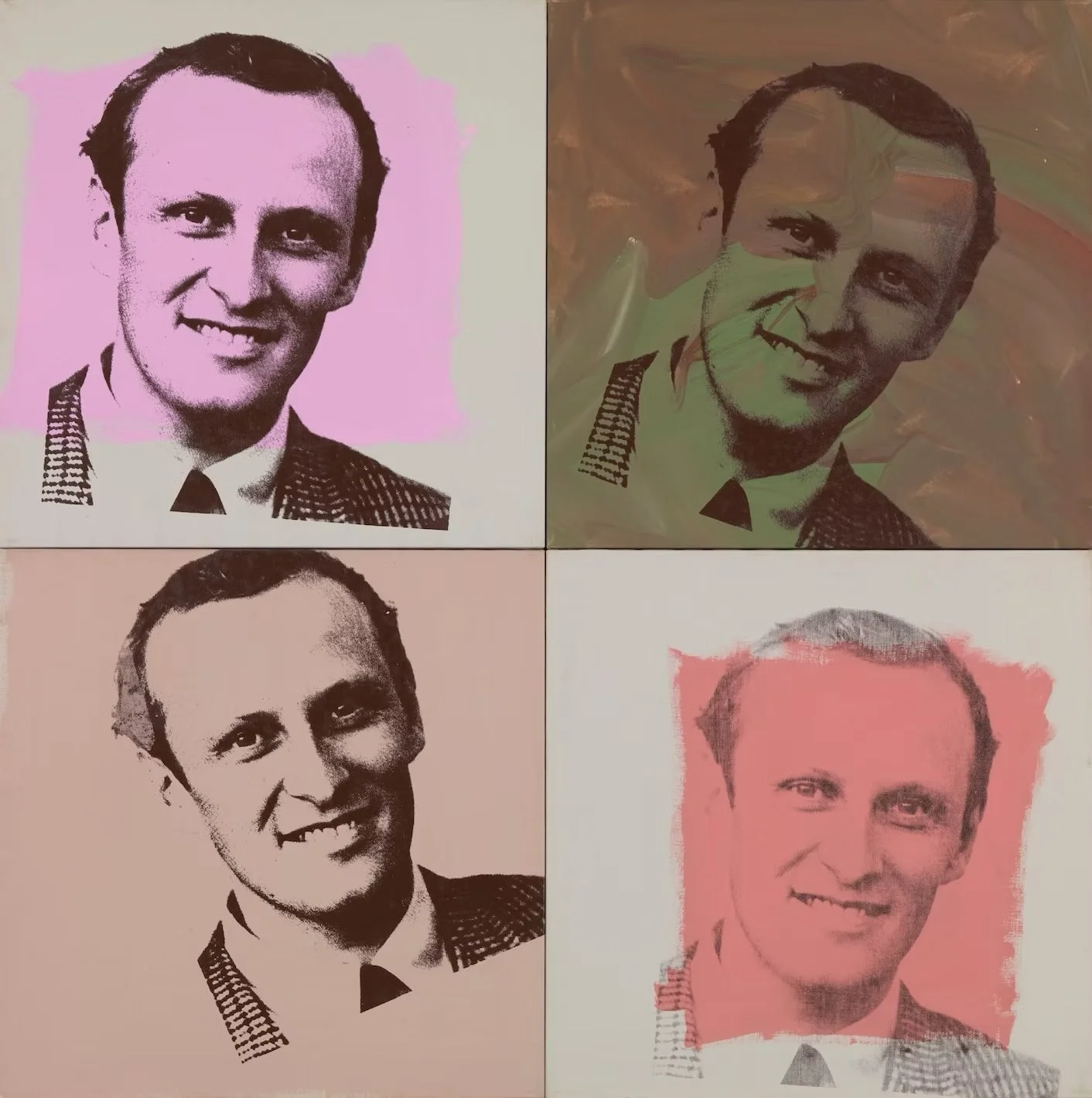
Andy Warhol portraits Bruno Bischofberger 1970/71
image courtesy from Galerie Bischofberger
The international art world has lost one of its most visionary and influential figures. On the 9th of May 2026, Swiss art dealer, collector, curator and cultural pioneer Bruno Bischofberger passed away at the age of 86. His legacy reaches far beyond the walls of galleries and museums. He was not simply a dealer of art he was a bridge between generations, continents, movements and personalities that would shape the course of contemporary art history for decades to come.
Born in Zürich in 1940, Bischofberger studied art history, archaeology and ethnography before opening his first gallery in 1963. From the very beginning, he possessed a rare instinct: the ability to recognise artists not only for what they were, but for what they would become. Long before much of Europe understood the importance of American Pop Art, Bruno introduced artists such as Andy Warhol, Roy Lichtenstein, Jasper Johns and Robert Rauschenberg to European audiences.
His relationship with Andy Warhol became one of the defining friendships in postwar art history. What began as a professional connection evolved into a lifelong dialogue built on trust, experimentation and mutual admiration. Bruno was among the very few people granted direct access to Warhol’s earliest masterpieces, and their collaboration helped shape how Warhol’s work was presented and understood internationally. He also recognised the commercial and cultural significance of commissioned portraiture long before the wider market fully understood its impact.

Andy Warhol, Jean-Michel Basquiat, Bruno Bischofberger and Fransesco Clemente, New York, 1984. Courtesy Galerie Bruno Bischofberger, Zürich
Yet perhaps one of Bruno Bischofberger’s greatest contributions to art history was his ability to connect artists with one another. He famously introduced Jean-Michel Basquiat to Andy Warhol and encouraged the groundbreaking collaborations between Basquiat, Warhol and Francesco Clemente. Those collaborations would become some of the most important and symbolic works of the 1980s not only visually, but culturally. They represented a collision of generations, street culture, Pop Art, neo expressionism and global contemporary identity. Bruno understood early on that contemporary art was no longer isolated by geography or hierarchy. He believed in dialogue, experimentation and friendship as creative forces.
What made Bruno unique was that artists trusted him deeply. Many of them stayed in his home in Switzerland, worked alongside his family, and became part of his personal world. There are countless stories within the art community of dinners, mountain trips, studio visits and conversations that quietly shaped exhibitions, careers and collaborations. His role was often far greater than that of a gallery owner; he was mentor, confidant, producer, historian and protector of artistic vision.
Beyond the gallery, Bruno and his wife Christina built one of the most remarkable private art and design collections in Europe. Their collection reflected an extraordinary curiosity that stretched across centuries and disciplines: contemporary art, tribal objects, photography, ceramics, furniture, glass, folk art, prehistoric artefacts and avantgarde design all coexisted within their world. Rather than collecting for prestige alone, Bruno collected with emotion, intuition and intellectual depth.
The Bruno Bischofberger estate and museum spaces near Zürich became more than archives of masterpieces; they evolved into living environments where art, architecture and life merged together. The gallery complex in Männedorf reflected Bruno’s lifelong philosophy that art should not feel distant or institutional, but human, lived with and experienced intimately.
His influence on the international art market cannot be overstated. He helped define the rise of Neo-Expressionism, championed artists long before museums embraced them, and built lasting cultural bridges between Europe and the United States. Artists including Julian Schnabel, George Condo, Enzo Cucchi, David Salle and many others benefited from his belief in artistic freedom and bold experimentation.
But beyond the headlines, museum exhibitions and record-breaking auctions, Bruno Bischofberger will perhaps be remembered most for something more rare: his genuine passion for artists themselves. He understood that art history is ultimately built through human relationships. He believed in artists before the world caught up with them.
With his passing, the art world loses one of its last true originals — a man who helped shape not only careers and collections, but the entire language of contemporary art.
Our thoughts are with his family, friends, artists and everyone whose lives were touched by his extraordinary vision and generosity.
Rest in peace, Bruno.