Interview with Antonio Rava on the Conservation of the Keith Haring Mural in Amsterdam
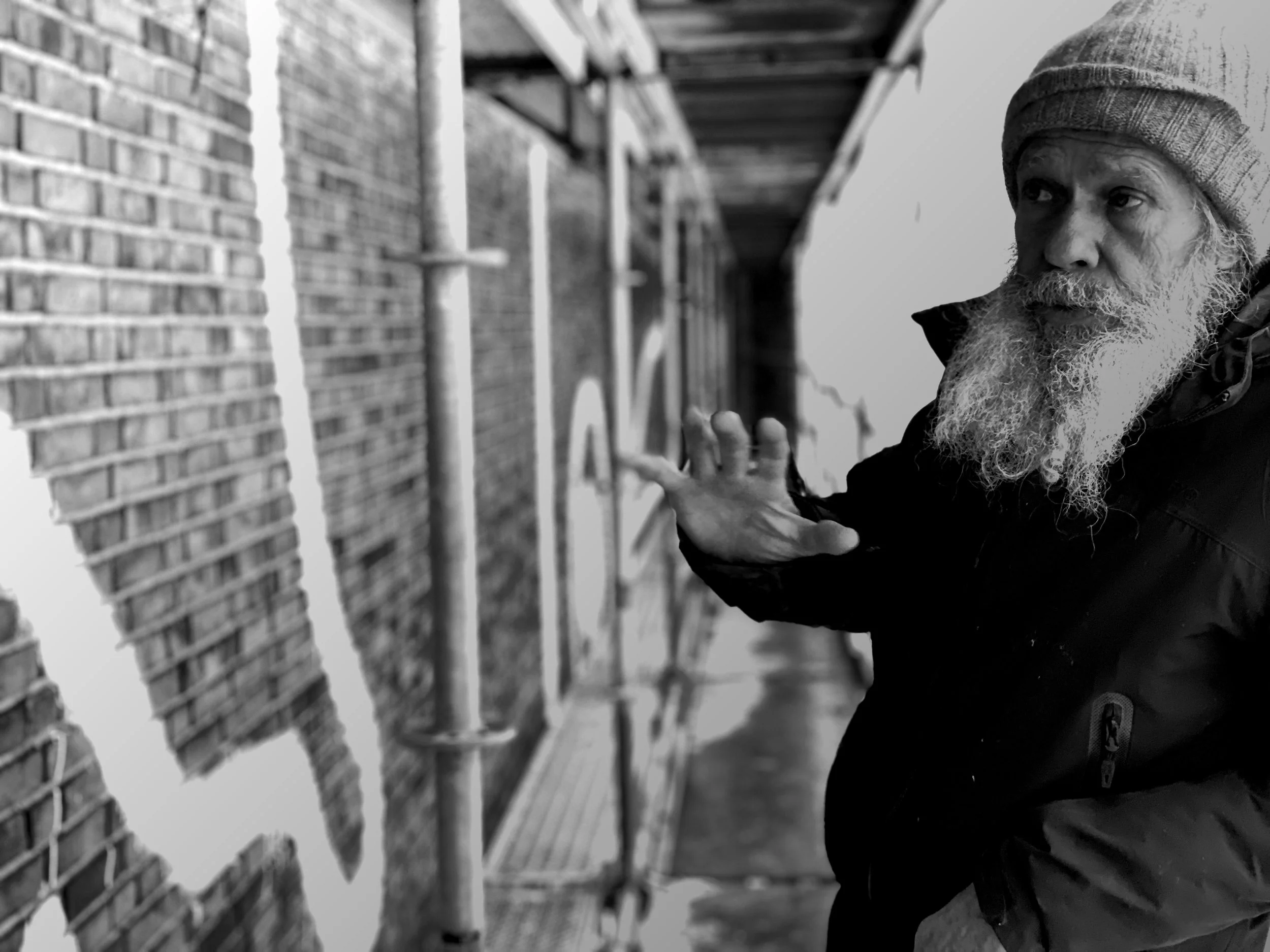
Antonio Rava at the Keith Haring Mural, photography Olivier Varossieau
Preserving Contemporary Heritage and Public Art for Future Generations
The restoration of the Keith Haring mural in Amsterdam stands as one of the most significant examples of late 20th-century street art conservation in Europe. Architect and master restorer Antonio Rava has been closely involved in this ongoing preservation process, bringing decades of international experience in the conservation of frescoes, modern murals, and monumental artworks.
Antonio, could you briefly introduce yourself and tell us about your family’s long tradition of preserving cultural heritage and public artworks?
I was trained as an architect, following a family tradition deeply rooted in the world of architecture and cultural heritage. My parents were both architects, and I grew up in an environment where art and design were part of everyday life. Early influences also came from Carlo Mollino, who taught my parents, and from close family connections with modern art galleries in Rome and Turin, including Carla Panicali and Ada Minola.
From a very young age, I was surrounded by museums, private collections, and significant works of art. This naturally led me toward conservation. A decisive moment came when I joined the Istituto Centrale del Restauro in Rome, where I entered through a national competition and began working on major masterpieces. One of my first restorations was Christ at the Column by Sebastiano del Piombo.
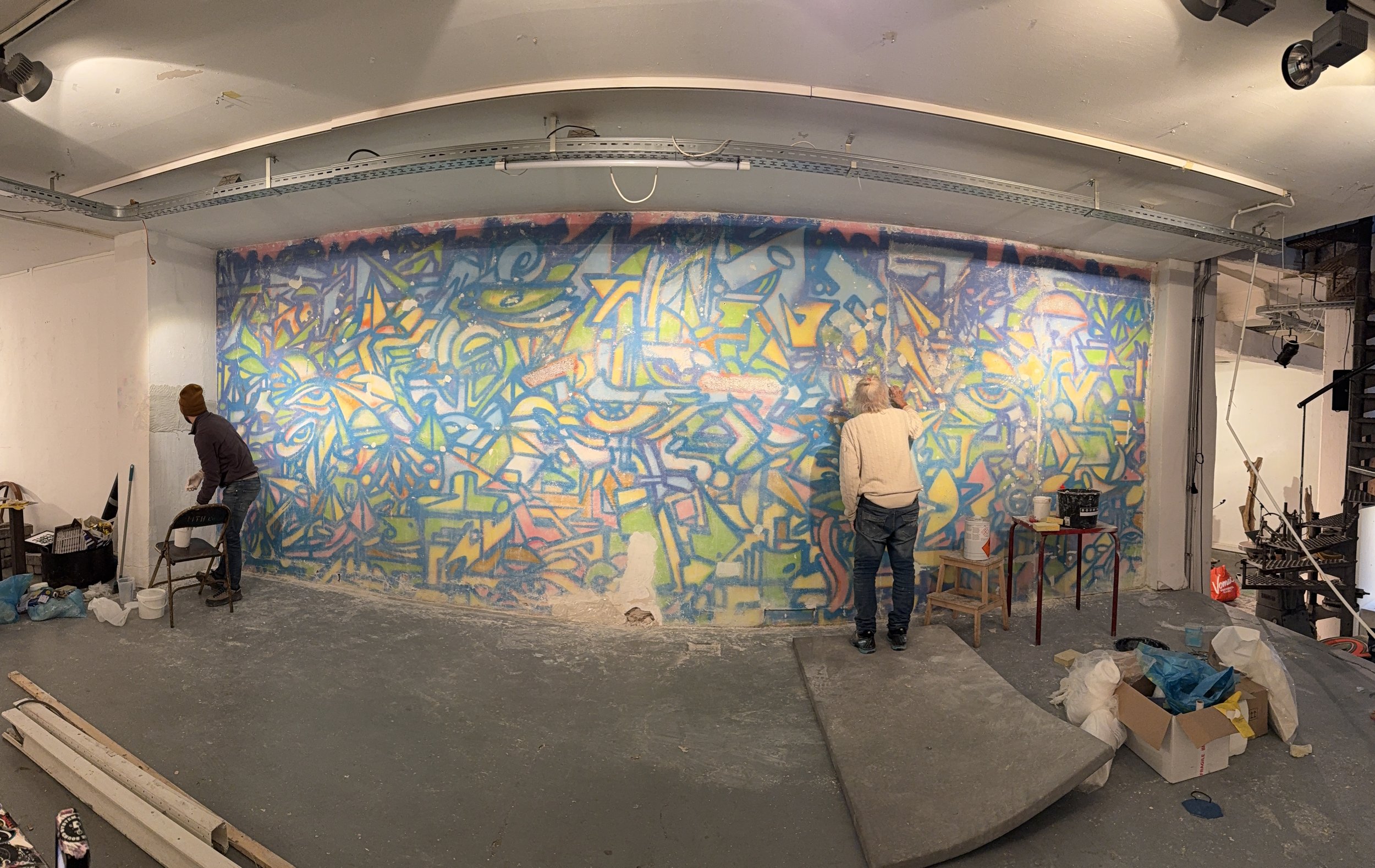
Antonio Rava and his son working on the Phase2 Mural at Vrijpaleis in Amsterdam, photography Olivier Varossieau
The training was rigorous and highly structured. We were entrusted with important works from the very beginning, which prepared us for large-scale cultural heritage responsibilities. In those years, Italy invested significantly in the preservation of its artistic patrimony, and I had the opportunity to work on Giotto frescoes in Assisi, mosaics in Rome, and important architectural sites such as Palazzo Spada and the Temple of Saturn.
Later, I expanded my practice internationally, including research and conservation studies at New York University as a Fulbright scholar, with internships at the Metropolitan Museum of Art. Over the years, my work evolved toward contemporary art conservation, including projects such as the Cretto di Burri in Sicily and the Villa Panza collection in Varese. Today, I continue working with a dedicated family-based team, alongside my wife and children, across international heritage projects.
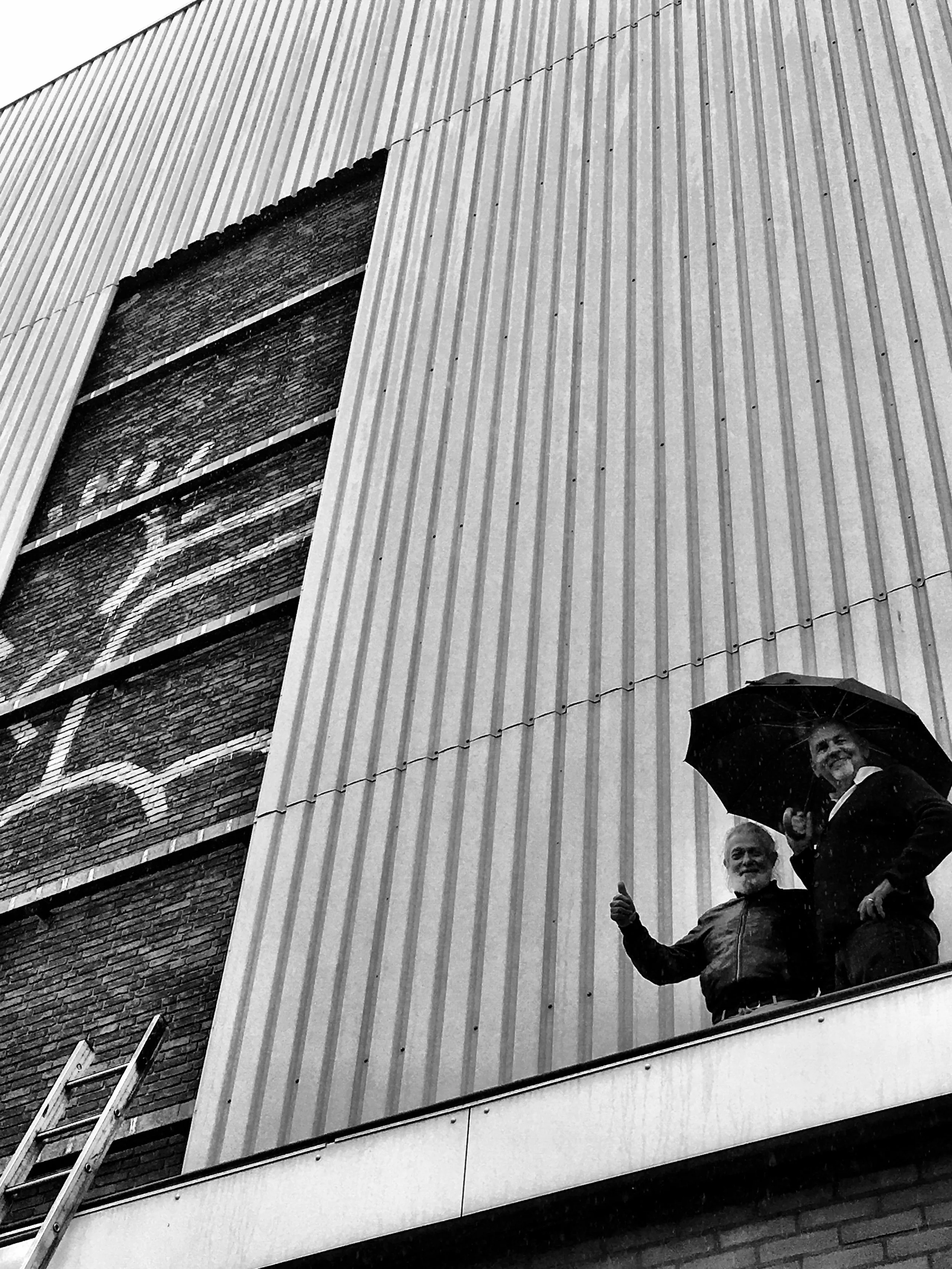
Antonio Rava and Will Shank at the revealing of the Keith Haring mural in Amsterdam, photography Olivier Varossieau
You started the restoration of the Keith Haring mural in Amsterdam together with Will Shank. How did that collaboration begin, and are you still working together today?
My collaboration with Will Shank began during our time at New York University in the 1970s. We later reconnected years afterwards at a conference in Paris, where we discussed the condition of Keith Haring’s mural in Pisa, which at the time showed significant signs of deterioration and required scientific evaluation.
This exchange led us to initiate a broader conservation dialogue, involving the Keith Haring Foundation and the local authorities responsible for the mural. The aim was to establish a structured research and conservation methodology, supported by trained specialists, rather than temporary interventions.
Together, we were able to secure sponsorship and institutional support, including generous contributions from the Keith Haring Foundation. This marked the beginning of a long and meaningful collaboration that extended to projects in Pisa, Melbourne, and later Amsterdam.
Although Will Shank later had to step back due to health reasons, our professional relationship and friendship continued. Today, we remain connected and are still working together on a publication dedicated to the conservation of Keith Haring murals worldwide, documenting methodologies and long-term preservation strategies.
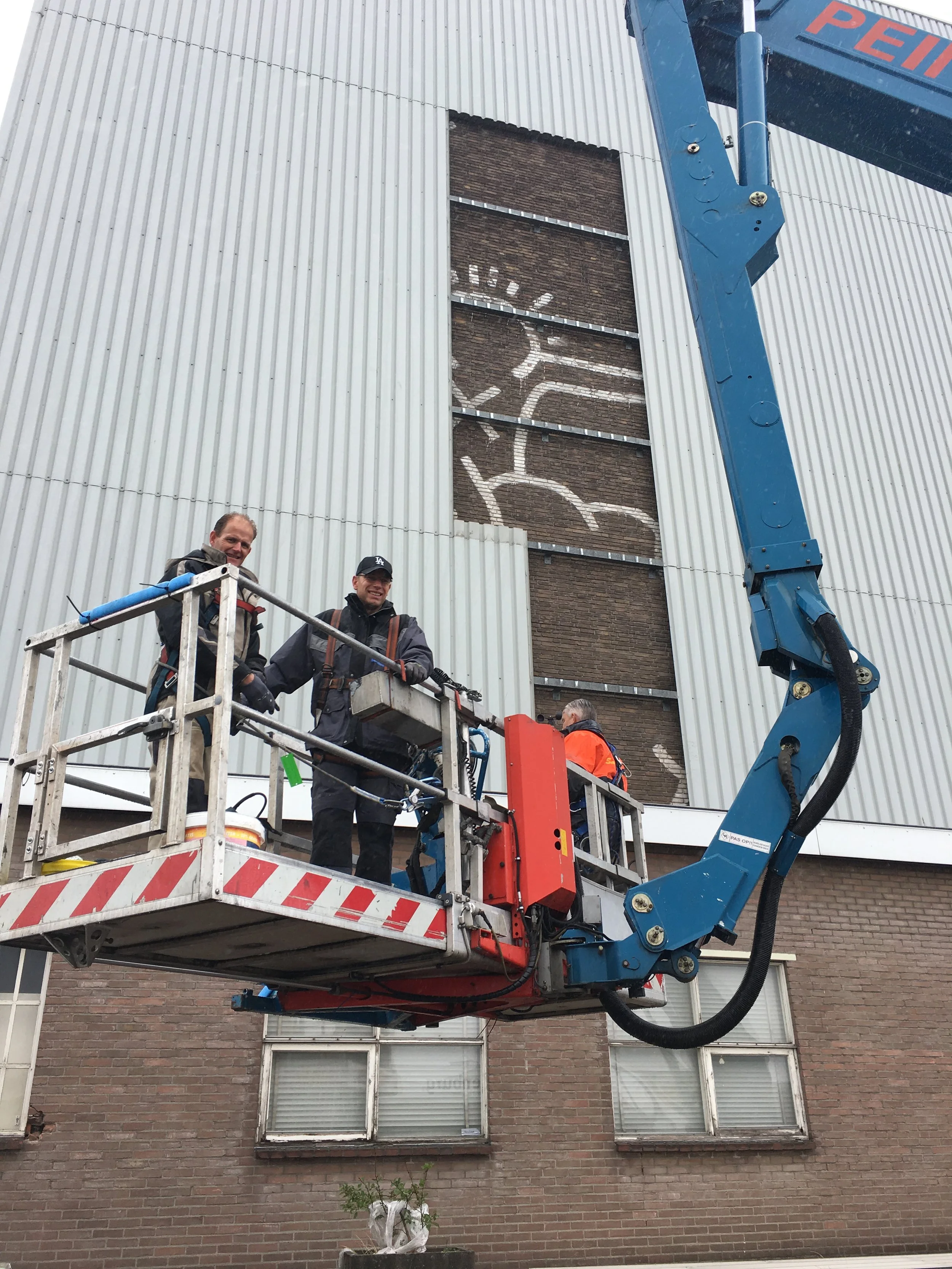
Removing the cladding of the Keith Haring Mural, photography Olivier Varossieau
When the cladding was removed from the building, what was the condition of the mural, and what were the biggest challenges in restoring it?
At the beginning of the restoration process, we immediately observed that the mural required careful and systematic analysis. The paint layer showed areas of flaking, while corrosion from metal fixings caused rust staining across parts of the surface.
A full restoration strategy was developed the following year, supported by experienced conservators and under the supervision of the team associated with the Stedelijk Museum Amsterdam Stedelijk Museum Amsterdam.
One of the main technical challenges was the original alkyd resin binder used in the paint, which is not ideally suited for long-term outdoor exposure. This required the development of specialized conservation materials, including perfluoroelastomer-based treatments and carefully tested hydrophobic surface protections. The goal was always to stabilize the original material while preserving the visual integrity of the artwork.
The building now has monumental status. How do you view the current condition of the mural and the building, and what conservation measures would you recommend for the future?
On a recent visit, I observed several issues related to moisture infiltration coming from the brick structure of the building. This has led to salt efflorescence on the surface, which gradually affects the paint layer. In addition, some metal structural elements show signs of deterioration, and water ingress is visible in certain areas, leaving localized staining.
From a conservation perspective, the most important priority is controlling humidity and ensuring that the building envelope supports the long-term stability of the mural. A structured maintenance program is essential, including periodic cleaning and the application of breathable, water-repellent treatments specifically designed for exterior mural conservation.
It would also be beneficial to consider appropriate building use strategies that reduce moisture stress on the structure. Specialists such as Lydia Beerkens, who has previously been involved in supervising conservation work on similar projects, could play an important role in future maintenance planning.
Following the Keith Haring project, you also worked on the restoration of works by Dr. Rat and the Phase 2 mural at the Vrijpaleis. What makes these projects important, and why is it essential to preserve historic street art for future generations?
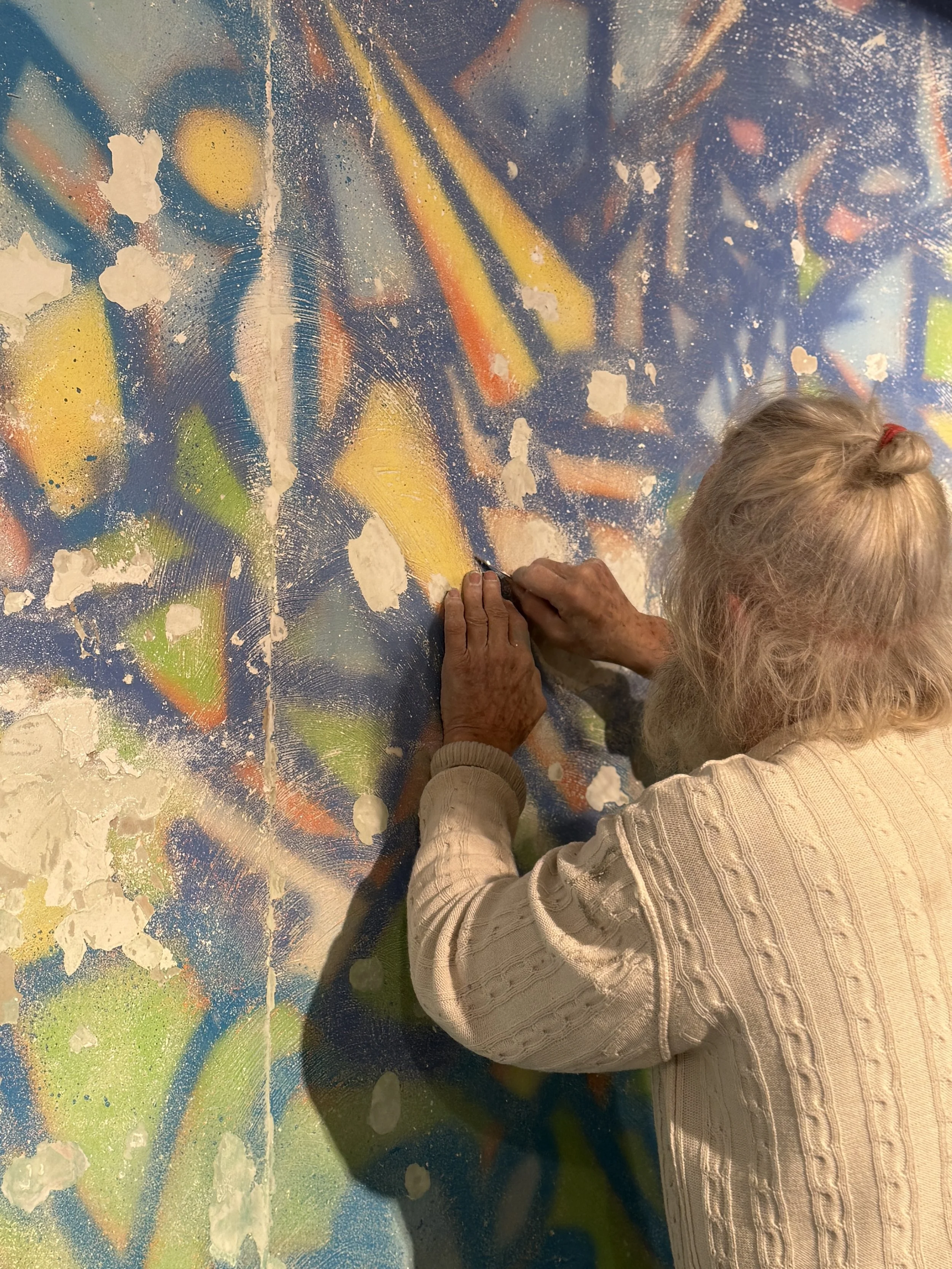
Antonio Rava working on the Phase2 mural at Vrijpaleis in Amsterdam
My work in Amsterdam has continued with great interest in preserving key examples of early and evolving street art culture. The mural by Dr. Rat represents an important moment in the emergence of urban artistic expression, capturing the early spirit of a movement that would later become globally influential.
The Phase 2 mural at the Vrijpaleis is equally significant, representing a more recent but still historically relevant layer of Amsterdam’s visual culture. It is fascinating to observe how these works continue to evolve in the urban environment, sometimes even being partially covered or reinterpreted over time.
What makes these projects essential is their cultural context. They document the rise of an entire artistic movement that combined music, dance, graffiti, and visual experimentation—an aesthetic revolution that still resonates strongly today. Preserving these works is not only about conserving paint on a wall, but about safeguarding a living history of creativity, resistance, and urban identity.
For future generations, these murals serve as visual archives of a cultural shift that shaped contemporary art worldwide, including the legacy of artists such as Keith Haring and his contemporaries.
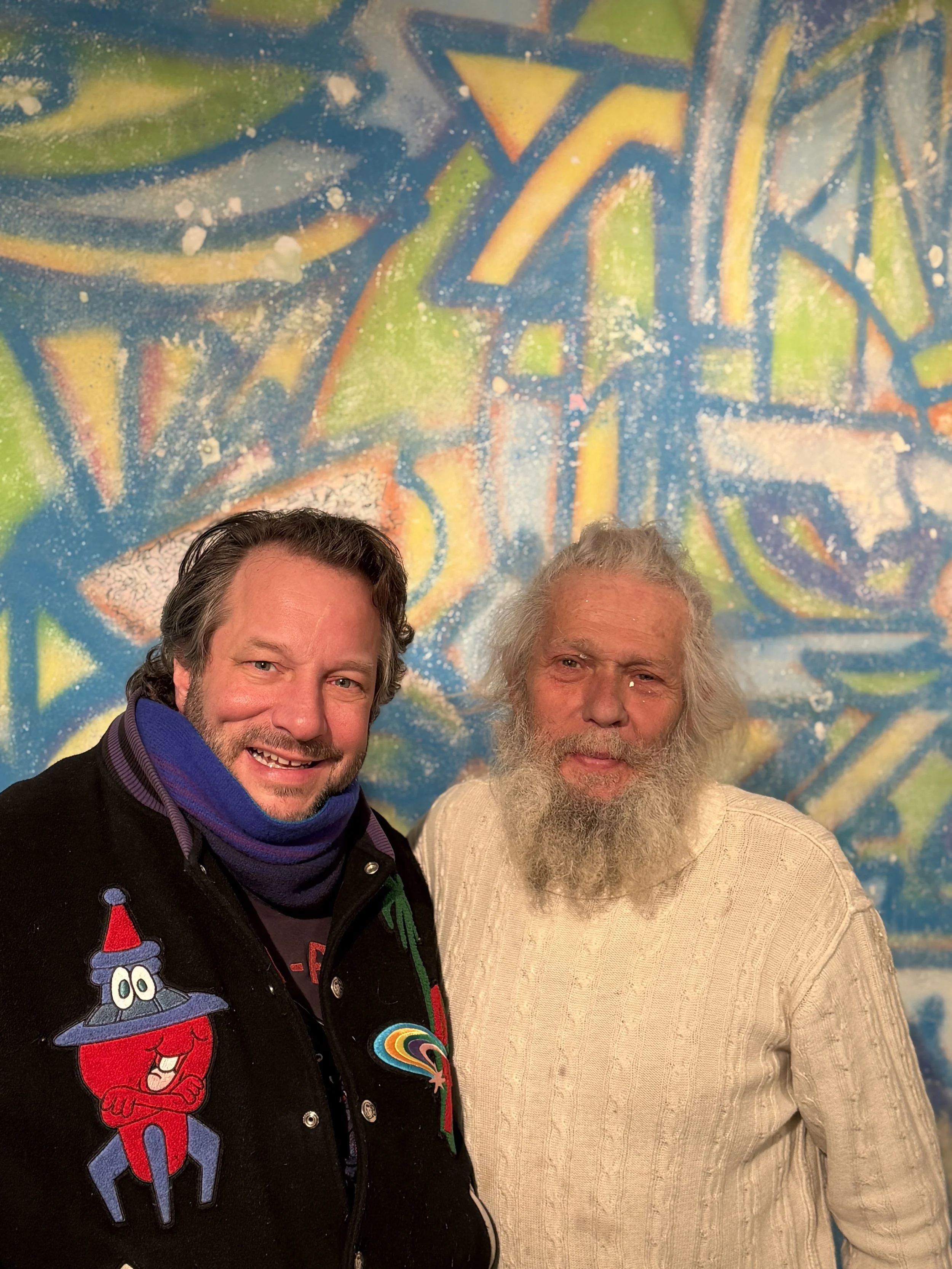
Olivier Varossieau and Antonio Rava at the Phase2 Mural at Vrijpaleis in Amsterdam.